
The masterful art of refusing to acknowledge a mistake.
On any given weeknight at our kitchen table, It’s possible to hear my 7-year-old son groan in frustration. “The answer is 10.” He’d say, “Why won’t you let me keep going?” He’ll avert his eyes from the math problem, and slide the homework paper, smeared with eraser marks, away from him. It’s then I’ll take a deep breath to subdue my own frustrations before methodically drawing pips on scratch paper, showing that if you have 6 pips and add 3, the answer is 9. But with the evidence of his error scribbled in graphite, he still struggles to admit his answer is wrong.
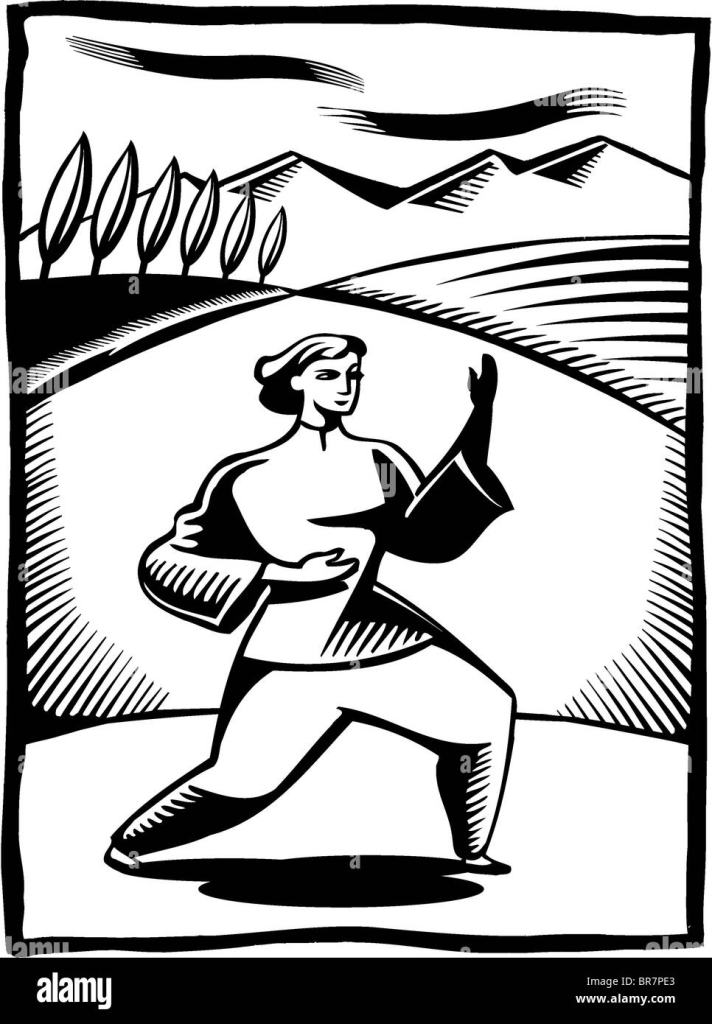
Why, when presented with clear evidence of a mistake would he continue to stick with the wrong answer? He is learning the art of Tai-Po (Typo) and to my horror, I am unwittingly his teacher, his Mr. Miyagi.
This summer I built a planter box. I figured it would be good practice and I was wanting to build something I could use. During the process, I made a slight error in one of my cuts. I eyed it for a few minutes, mulling over the idea of having to cut an entirely new piece, which would have only taken a minute or two. Instead, I decided to ignore the mistake and the simple fix. Does this line of reasoning resemble my son and the math problem? The answer is a resounding, yes.
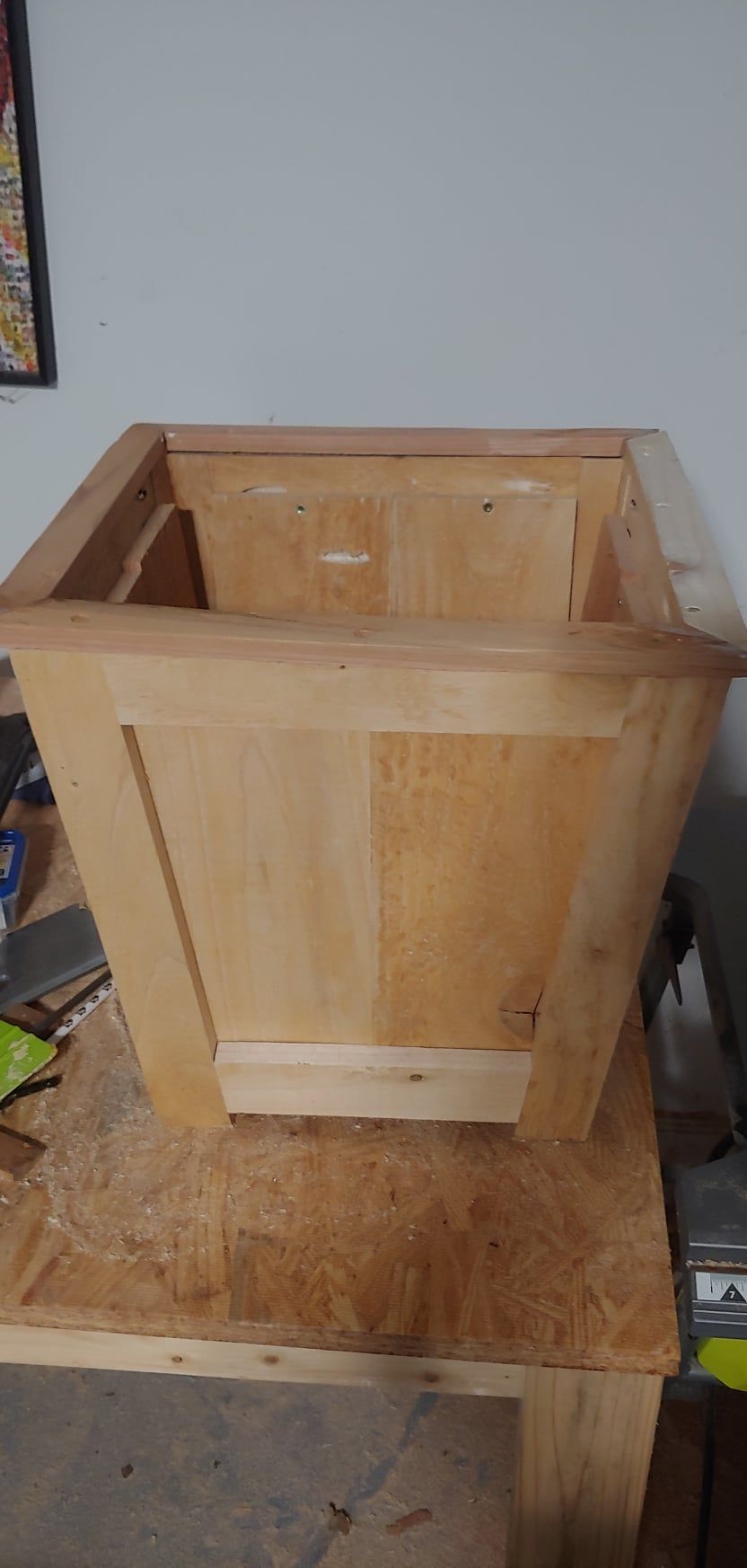
As I continued to construct the planter, I realized the mismeasured piece was throwing everything off to greater degrees. By the time I finished, I had one corner that was out of alignment, and as I stood back to look, the mistake was pretty obvious. Like when you get done with a Lego build and flip back through the yellow instruction booklet to discover the extra piece in your hand was supposed to have been added five pages ago.
If it were anyone else I would have advised them to retrace their steps and undo everything until they got to the initial problem. Everything then would be “square” and line up. If I had done that, I wouldn’t be writing this post. Rather, I began my Tai-Po gyrations, reeling, rolling, and pirouetting to avoid the mistake. I took my orbital sander, hand planer, and wood glue, and went to work. By God, I was going to make this work on my terms!
I should have just gone back and taken the time to fix the issue instead of trying to figure out how to make things right without fixing the problem.
The odd thing about Tai-Po is sometimes you don’t realize you are practicing it. In fact, you can be a master at it and have no clue, and just like you can’t really unlearn how to ride a bike, it’s even harder to unlearn Tai-Po.
For the past month or so I’ve been trying to finish the most recent chapter in my book. I haven’t been thrilled with how It started and I drifted from the plot line, careening my story off into the ether. I told myself I’d fix it in editing and usually, this works but not this time. As I continued to write I kept getting the nagging feeling that something was wrong but in grandmaster Tai-Po form, I ignored it and kept writing. It finally left me with writer’s block and frustrated. I went back and re-read the beginning of the chapter and saw the problem. I had to change a supporting character’s personality and how he engaged with the protagonist, but to do that meant changing almost three pages of dialogue. I didn’t want to. I could make it work by forging ahead, couldn’t I? Just like the wood planter and the math problem. Ignore the problem, and forge ahead. It will turn out okay, right? Maybe, and maybe not. At the root of it all, I was afraid. I was afraid that I had done the best I could. I had done the best I could with the planter box and I had done the best I could in my writing and if I changed it, I’d never get it back.
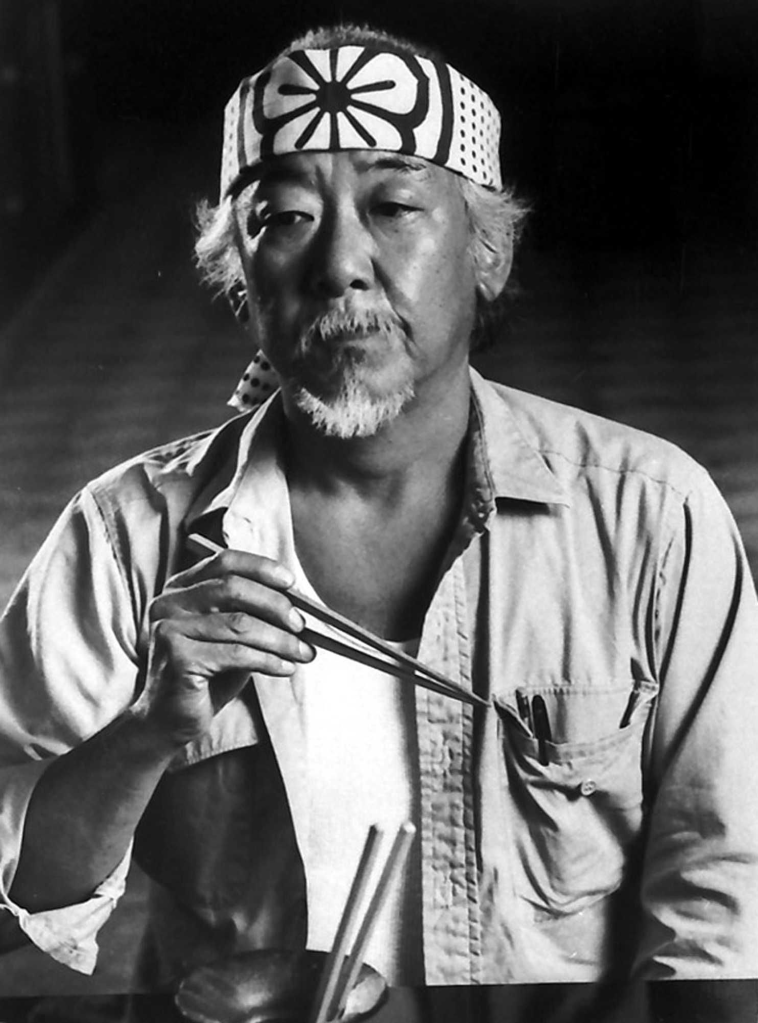
“It is okay to lose to opponent.
It is never okay to lose to fear. “
-Mr. Miyagi
I took a deep breath and deleted a large swath of writing. As I began to rewrite the chapter I felt better and my fear vanished as I realized, I could do better. Things were lining up and becoming “square”.
What mistakes have you ignored and what was the outcome? Did it smooth itself out or like a splinter, did it fester? Is it still festering? Some of the most powerful words anyone can say is, “I was wrong.” Own it. Correct it if you can, and learn from it.
God bless. Keep up the good work and keep developing yourself.

 The Latent Man